Request Quote
OEM project guide

Soft Bait OEM Supplier in China

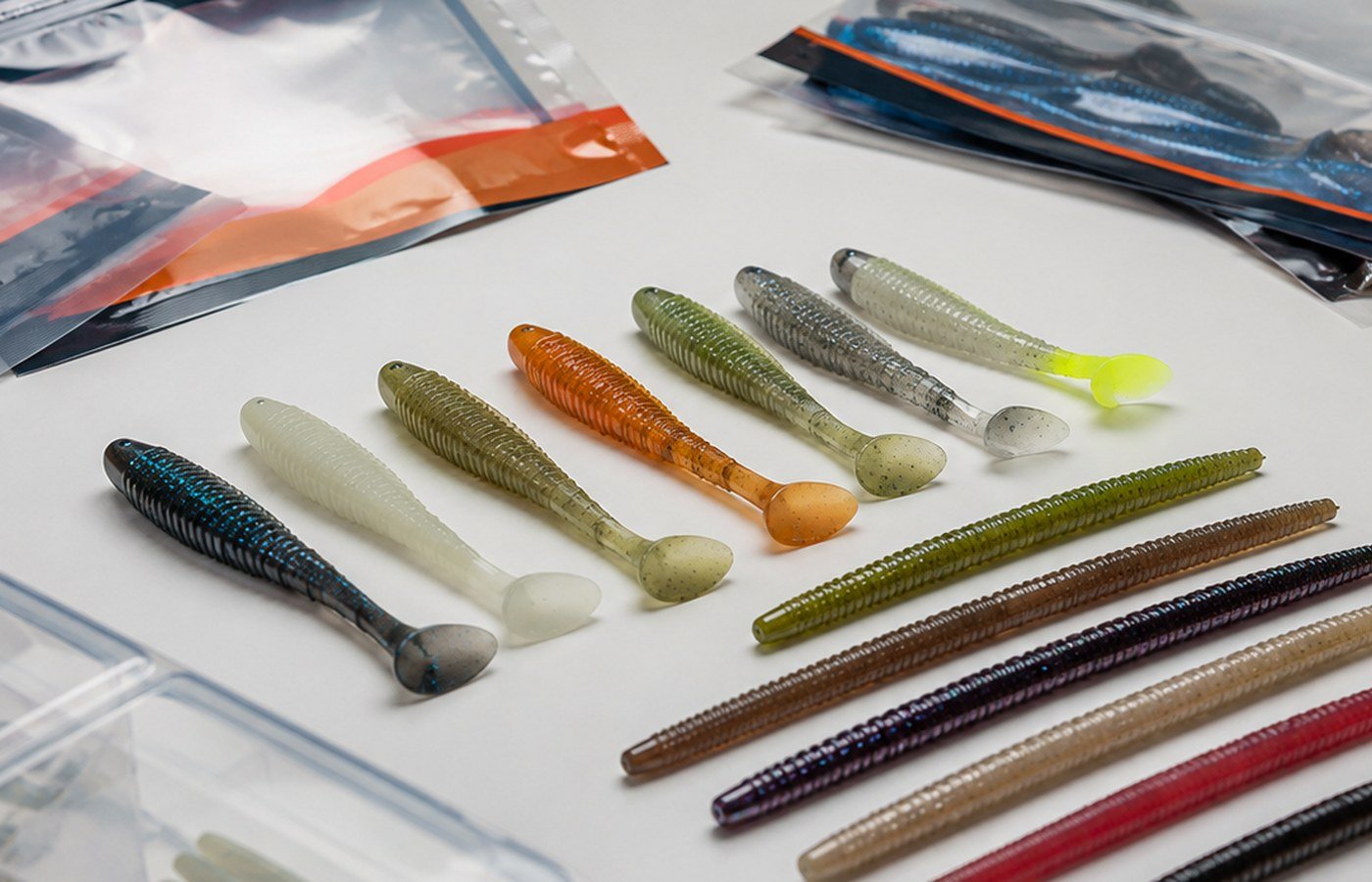
Soft bait OEM is not only about shape. Material softness, color matching, glitter, scent, oil level, salt content, bait action and packaging all affect how the product looks, feels and performs in the market.

TerminalPro helps fishing tackle brands, importers and wholesalers review soft bait specifications before mold development, sample confirmation or bulk production. The goal is to make the buyer’s inquiry clear enough for practical quotation, sampling and packaging planning.

Soft Bait OEM Supplier

OEM route

Three common ways to start a soft bait OEM project

Soft bait projects can start from an existing mold, a modified bait design or a new private mold. The right route depends on the buyer’s target market, first order quantity, action requirement and packaging plan.

1. Use existing mold

This is suitable when the buyer wants a faster start and can accept an available bait shape. The main work is usually color, softness, scent, oil level, glitter and packaging confirmation.

  • Lower starting cost
  • Faster sample preparation
  • Good for first trial orders

2. Modify current bait

This route is used when the buyer likes a current style but wants to adjust tail thickness, body profile, appendage shape, material softness, color range or package count.

  • More product differentiation
  • Requires sample or drawing review
  • May need mold adjustment

3. Develop new mold

Used for exclusive soft bait shapes, special action design, new appendage structure, brand-owned product series or private label programs that need a unique market position.

  • Highest customization level
  • Tooling cost is usually required
  • Best for long-term product lines

Specification details

Soft bait details that affect quotation and sampling

A useful soft bait quotation needs more than length and color name. Material feel, bait action, color structure, glitter, scent, oil and packaging can all change the production route and cost.

Specification item What the buyer should confirm Why it matters
Bait type Paddle tail, worm, craw, grub, tube, creature bait, shad, jerk bait or custom shape. Different bait types require different mold structure, material softness and action testing.
Length and weight Target length, body thickness, tail thickness and approximate weight. Small changes can affect action, packing count, material usage and mold design.
Material softness Soft, medium, firm, ultra-soft or buyer-approved sample feel. Softness affects swimming action, tear resistance, hook holding and buyer perception.
Color structure Single color, two-color laminate, core shot, belly/back color, transparent body or pearl base. More complex colors require more setup time, better sample confirmation and clearer tolerance.
Glitter and flakes Glitter color, size, density and whether the glitter should be mixed evenly or concentrated. Glitter changes appearance, material mixing and sample approval standard.
Scent / attractant No scent, light scent, strong scent, garlic, shrimp, fish oil or buyer-specific attractant. Scent affects formula, packaging resistance, storage smell and buyer’s market positioning.
Salt content No salt, light salt, heavy salt, sinking action requirement or weight adjustment target. Salt changes bait density, softness, action, durability and packaging oil management.
Oil level Dry touch, light oil, heavy oil, bag oil or buyer-provided reference sample. Oil level affects product feel, bag sealing, leakage risk and long-term storage.
Packaging Clear bag, printed bag, insert card, header card, clamshell, box set, barcode or FNSKU. Soft bait packaging must consider oil/scent resistance, seal strength and retail presentation.

Up-front cost planning

Possible up-front investment before bulk production

Soft bait OEM projects can have different starting costs depending on whether the buyer uses an existing mold, modifies a bait or develops a new private shape. The table below helps buyers understand what may need to be paid or prepared before mass production.

Cost / preparation item When it may be needed Buyer should prepare Paid before bulk production?
Project review and quotation plan For all soft bait OEM inquiries. Photos, bait length, target color, quantity, packaging idea and target market. Usually no separate cost when the information is complete.
Reference sample and courier cost When shape, softness, action, color or scent must match a physical bait. Physical sample, color sample or existing retail pack for reference. Sample and courier cost may apply.
Design review / 3D drawing When the buyer has an idea but no mold-ready file or confirmed bait sample. Sketch, target length, body details, tail/appendage function and action requirement. May apply for custom development work.
Tooling / mold cost Required for new bait shapes, exclusive molds, new cavities or significant shape changes. Confirmed shape, size, quantity plan and expected product series. Usually required before mold production.
Color sample development When the buyer needs special laminate, transparent color, pearl base, flakes or market-specific color matching. Color reference, photos under natural light, Pantone if available and acceptable tolerance. May apply when multiple sample rounds are required.
Formula adjustment When softness, salt content, scent, oil level or sinking action must be specially adjusted. Approved sample feel, target action and performance requirement. May apply depending on formula complexity and sample iterations.
Packaging artwork and printing setup For printed bags, insert cards, barcode labels, FNSKU, warning text or retail display packaging. Logo file, artwork, barcode, pack count, warning text and country-of-origin statement. Often required before packaging production.
Special bag material When oil, scent or heavy salt requires stronger bag sealing or better leakage resistance. Bag size, thickness, seal style, display hole and shelf-life requirement. May require packaging MOQ or sample confirmation.
Testing or compliance review When the buyer’s market requires material, label, plasticizer, packaging or safety review. Target market, testing standard and buyer documentation requirement. Third-party testing cost may apply if requested.

Cost note: this table is for planning only. Final cost depends on bait shape, mold route, material formula, color complexity, packaging type, order quantity and sample approval requirement. Existing mold projects usually have a lower starting cost than new private mold projects.

Production flow

Typical soft bait OEM process

The production route depends on the approved shape and formula, but this process helps buyers understand where sample approval, color confirmation, packaging and QC should be handled.

1. Shape and mold review

Check whether the project can use an existing mold, modified mold or new tooling route.

2. Material and formula discussion

Confirm softness, oil level, scent, salt content and target action requirement.

3. Color and glitter confirmation

Review color structure, laminate, transparency, pearl effect and glitter details.

4. Sample making

Prepare samples for shape, feel, color, action and packaging direction confirmation.

5. Sample adjustment

Adjust softness, color, glitter, scent, oil level or tail action if required.

6. Packaging approval

Confirm bag material, pack count, artwork, barcode, warning text and carton marks.

7. Bulk production

Produce approved baits according to confirmed formula, color and quantity plan.

8. QC and shipment

Check shape, color, softness, oil level, bag sealing, pack count and carton protection.

Quotation checklist

What buyers should send for a faster quotation

A complete inquiry helps avoid repeated sample changes and makes the quotation more meaningful for both standard and custom soft bait projects.

Product information

  • Product photo, drawing, catalog code or physical sample.
  • Bait type, length, weight and target fishing application.
  • Target action: swimming, falling, floating, sinking or bottom presentation.
  • Existing mold, modified design or new private mold requirement.
  • Expected order quantity by size, color and pack count.

Material and color

  • Softness preference or approved reference sample.
  • Single color, laminate, transparent, pearl, core shot or other color structure.
  • Glitter color, size and density.
  • Scent, oil level and salt content requirement.
  • Color tolerance and sample approval standard.

Packaging and market

  • Pieces per bag and number of colors per retail pack.
  • Printed bag, clear bag, insert card, label sticker, box or kit pack.
  • Logo file, barcode, FNSKU, warning text and country-of-origin statement.
  • Target market and any material or label compliance requirement.
  • Sample deadline and target delivery window.

Color and formula planning

Color, softness, scent and oil should be confirmed early

Soft bait projects often spend more time on sample adjustment than buyers expect. Clear references help reduce repeated color and material changes.

Item Common options Important note
Softness Ultra-soft, soft, medium, firm, tear-resistant formula. Very soft baits may have better action but lower tear resistance. The target species and rigging method should be considered.
Color type Solid color, transparent color, two-color laminate, pearl, smoke, belly/back color. Photos alone may not show color accurately. Physical samples reduce mismatch.
Glitter Gold, silver, black, red, blue, green, mixed glitter in different sizes. Glitter density should be confirmed because “light glitter” and “heavy glitter” can mean different things to different buyers.
Scent No scent, garlic, shrimp, fish oil or buyer-specific attractant. Strong scent can affect storage smell and packaging material selection.
Salt content No salt, light salt, heavy salt or sinking adjustment. Salt changes density, action and material durability. It should be discussed before samples are approved.
Oil level Dry touch, light oil, heavy oil or bag oil. Heavy oil may require better bag sealing and carton protection to reduce leakage risk.

Packaging options

Common packaging styles for soft bait OEM orders

Soft bait packaging needs to balance retail appearance, oil/scent resistance, bag sealing and SKU management.

Packaging style Best used for Details to confirm
Clear PE / OPP bag Simple trial orders, sample packs or buyers who apply local labels. Bag size, thickness, pack count, oil level and label position.
Printed soft bait bag Private label retail programs and brand presentation. Artwork, material structure, seal strength, hanging hole, barcode and MOQ.
Insert card bag Lower setup route compared with fully printed bags. Card size, bag clarity, pack count, oil/scent resistance and country-of-origin text.
Header card Retail display with flexible bag use. Card size, hole type, artwork, staple/seal method and product visibility.
Box / kit pack Assorted color sets, starter kits, Amazon-style packs or gift packs. Color mix, pieces per color, FNSKU, insert card, carton protection and weight.

Packaging note: product MOQ and packaging MOQ are not always the same. Printed bags, retail boxes and insert cards should be confirmed early, especially when a first order includes many colors or small quantities per color.

Quality control

QC focus for soft bait production

Soft bait quality is often judged by feel, color and packaging condition. Small differences in color, softness, oil, scent or deformation can create customer complaints even when the shape is correct.

QC item Inspection focus Why it matters
Shape and size Check length, body profile, tail shape, appendage details and deformation. Affects action, rigging and retail appearance.
Softness and stretch Compare approved sample feel, flexibility, tear resistance and recovery. Important for fishing action and customer perception.
Color consistency Check color against approved sample under suitable lighting. Color mismatch is one of the most common soft bait complaints.
Glitter and laminate Check glitter density, distribution, laminate line and transparency. Maintains product appearance across batches and SKUs.
Scent and oil level Check whether the bait is too dry, too oily or has inconsistent scent strength. Affects feel, storage, leakage risk and customer experience.
Bag sealing and pack count Check pieces per bag, color mix, seal strength, label, barcode and carton mark. Reduces leakage, wrong-pack and warehouse receiving problems.

FAQ

Soft bait OEM FAQ

These questions help buyers prepare more complete information before requesting a quotation or starting sample work.

Can I use an existing soft bait mold for my private label order?

Yes. If an existing mold matches your target shape and size, you can usually customize color, glitter, scent, oil level, pack count and packaging. This is often the fastest route for first orders.

What affects soft bait mold cost?

Mold cost depends on bait length, body structure, appendage detail, cavity number, mold material and whether the design needs to be exclusive. Complex appendages or special action features may increase development work.

Can you match an existing soft bait color?

Color matching is possible, but a physical sample is strongly recommended. Screen photos can be affected by lighting and display differences. For special laminate or glitter colors, sample confirmation is important.

Can softness, scent, salt or oil level be adjusted?

Yes, these formula details can be discussed. The buyer should provide a reference sample or clear target performance requirement, because softness, salt and oil can affect action, durability and packaging.

What MOQ should I expect for soft bait OEM?

MOQ depends on mold route, color quantity, formula, packaging type and total order structure. Existing mold items are usually easier to start than new private molds with many colors and small quantities per color.

Can you make soft bait packaging with my logo and barcode?

Yes. Common options include printed bags, clear bags with labels, insert cards, header cards and kit boxes. Printed packaging may have separate MOQ, artwork review and lead time.

What is the most common mistake in soft bait OEM projects?

The most common mistake is confirming price before confirming shape, softness, color, scent, oil level, pack count and packaging. These details can significantly change cost and production planning.

Should I send a physical sample?

For soft bait projects, a physical sample is often more useful than photos because it helps confirm feel, size, color, oil level, scent and action. This is especially important for color matching or formula-sensitive projects.

Ready to plan this OEM project?

Send bait samples, color references and packaging ideas

We will help judge whether your soft bait project is suitable for existing mold supply, modified product development or a new private mold route. Please include product photos, length, target colors, softness, scent/oil requirement, quantity and packaging plan when you contact us.

WhatsApp