OEM Fishing Tackle Solutions for Real Product Development
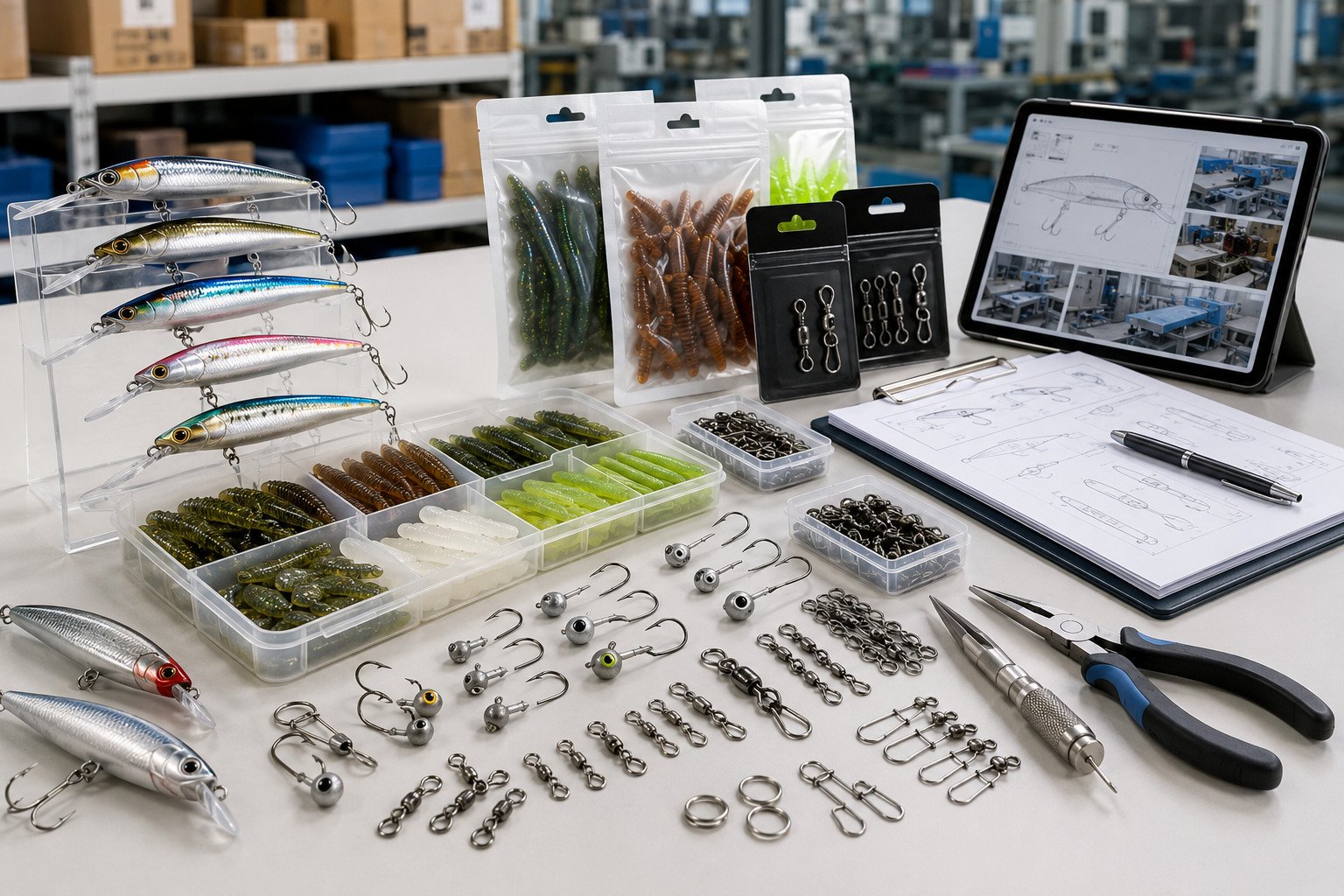
OEM is not only about putting a logo on a finished item. For fishing tackle, buyers usually need help deciding whether to use existing products, modify current models, or start a new development route with tooling, samples and packaging review.
Choose the right OEM route before discussing price
Many misunderstandings happen because the buyer and supplier are actually discussing different types of projects. The route affects MOQ, cost, lead time and how samples should be reviewed.
| OEM route | Best for | Typical notes |
|---|---|---|
| Existing product + private label | Swivels, snaps, hooks, sinkers, common jig heads, carp accessories and tools. | Usually the fastest route. Focus is mainly on packaging, label, logo and pack count. |
| Modified existing product | Projects that adjust coating, color, hook size, skirt, weight, packaging or accessory parts. | Often cost-effective, but changes should still be documented in a sample or signed specification. |
| New mold / new development | New jig heads, unique lure bodies, new soft bait shapes, specialty sinkers or tool structures. | May require tooling cost, longer development time and more sample confirmation steps. |
What we usually need from the buyer
The more specific the inquiry, the more practical the quotation. For many projects, a sample or clear product photo is still the best starting point.
- Product photo, sample or catalog code.
- Size, weight, hook model or material requirement.
- Target quantity and reorder expectation.
- Color, coating, finish or accessory parts.
- Packaging style and artwork status.
- Target market, compliance concern or shipment timing.
Buyer Tip
If the product is function-sensitive, such as swivels, hooks, jig heads, carp clips or tools, send a physical sample whenever possible. It reduces the risk of quoting the wrong version.
What usually changes cost in an OEM project
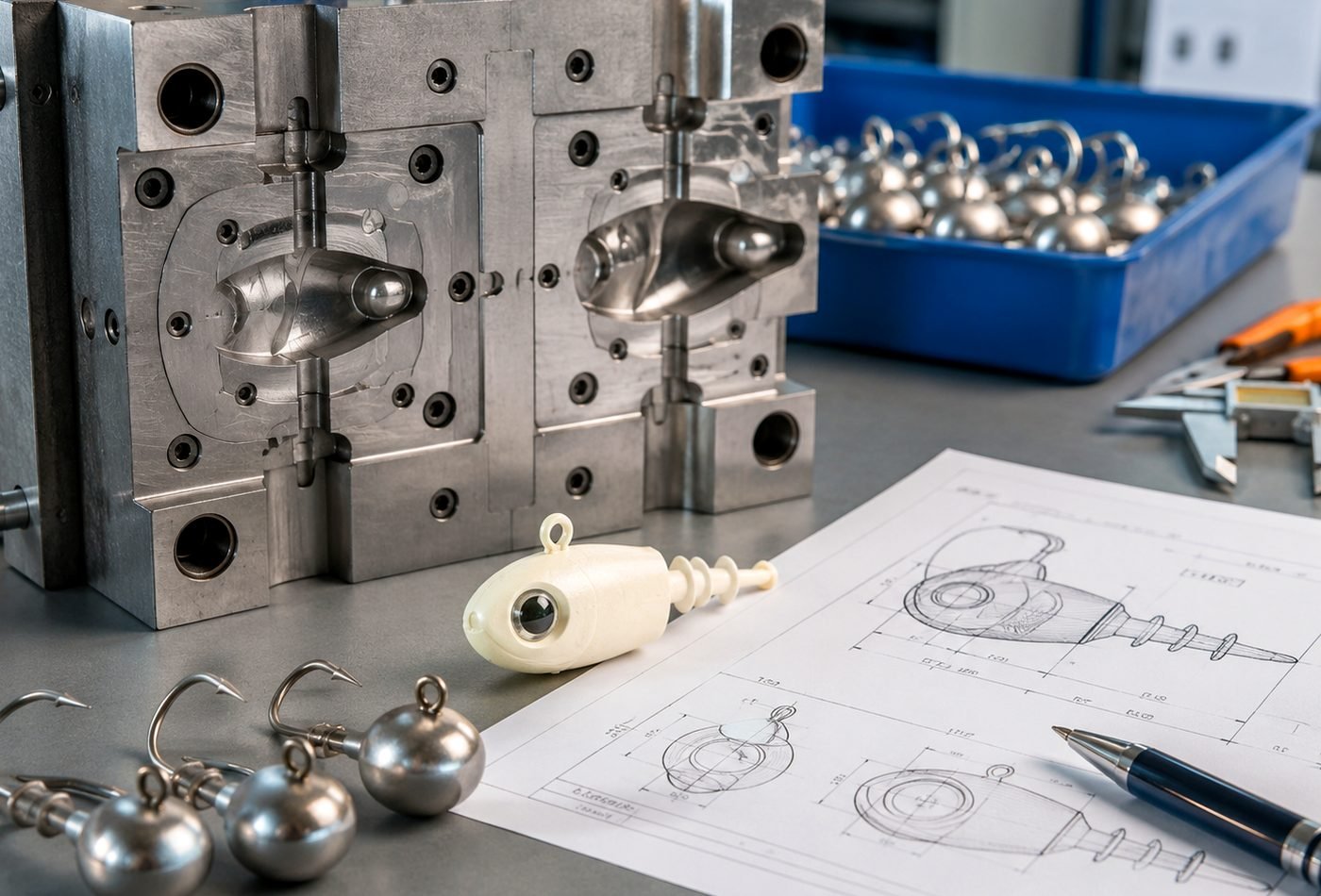
OEM cost is not determined by product name alone. Tooling, sample work, hardware, finishing, packaging and logistics can make a large difference.
Tooling
New molds for lure bodies, soft baits, special sinkers or jig heads add development cost and time.
Components
Hook grade, swivel type, rings, blades, skirts, soft bait formula and tool materials can significantly change cost.
Packaging
Printed bags, blister cards, inserts, labels and barcode requirements need early confirmation.
Shipment structure
Carton weight, mixed products, inspection, and heavy-cargo protection can influence export cost.
We try to make each step easier to understand
Product & process review
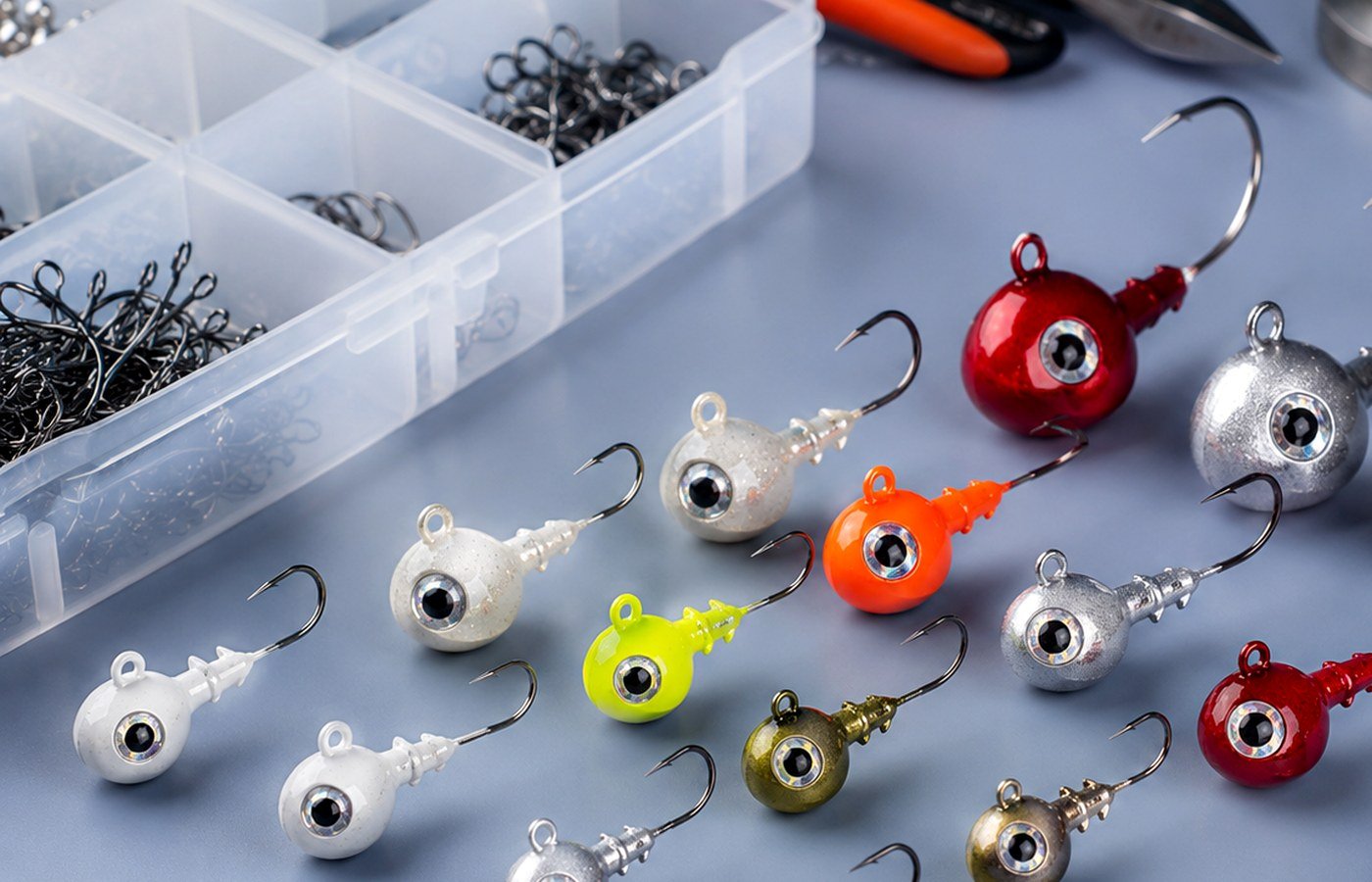
We review whether the project uses standard products, modified products or new tooling so that sample and production expectations are realistic from the start.
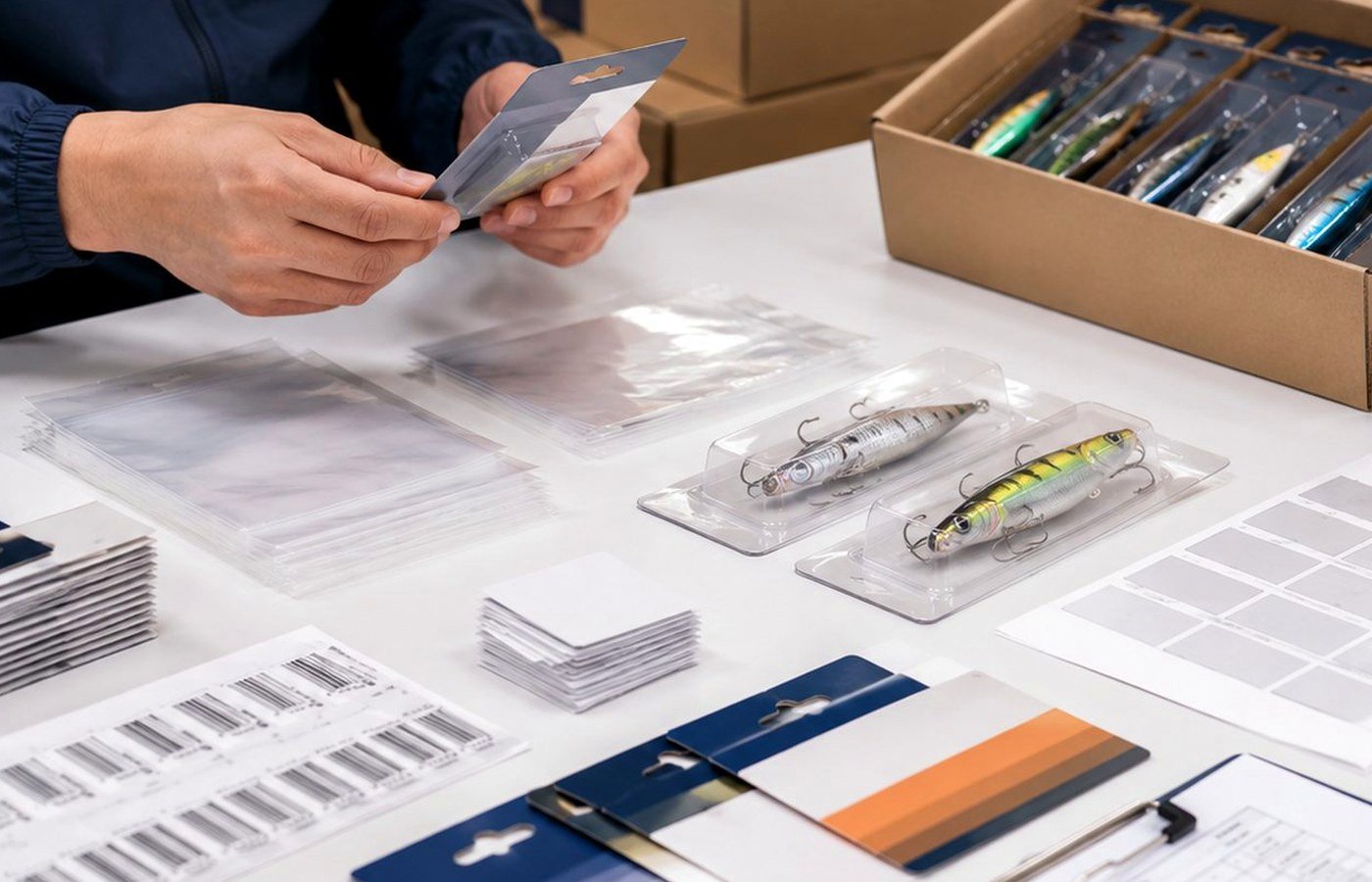
Packaging confirmation
We encourage buyers to confirm packaging before bulk production, not after products are already finished, to reduce rework and delay.
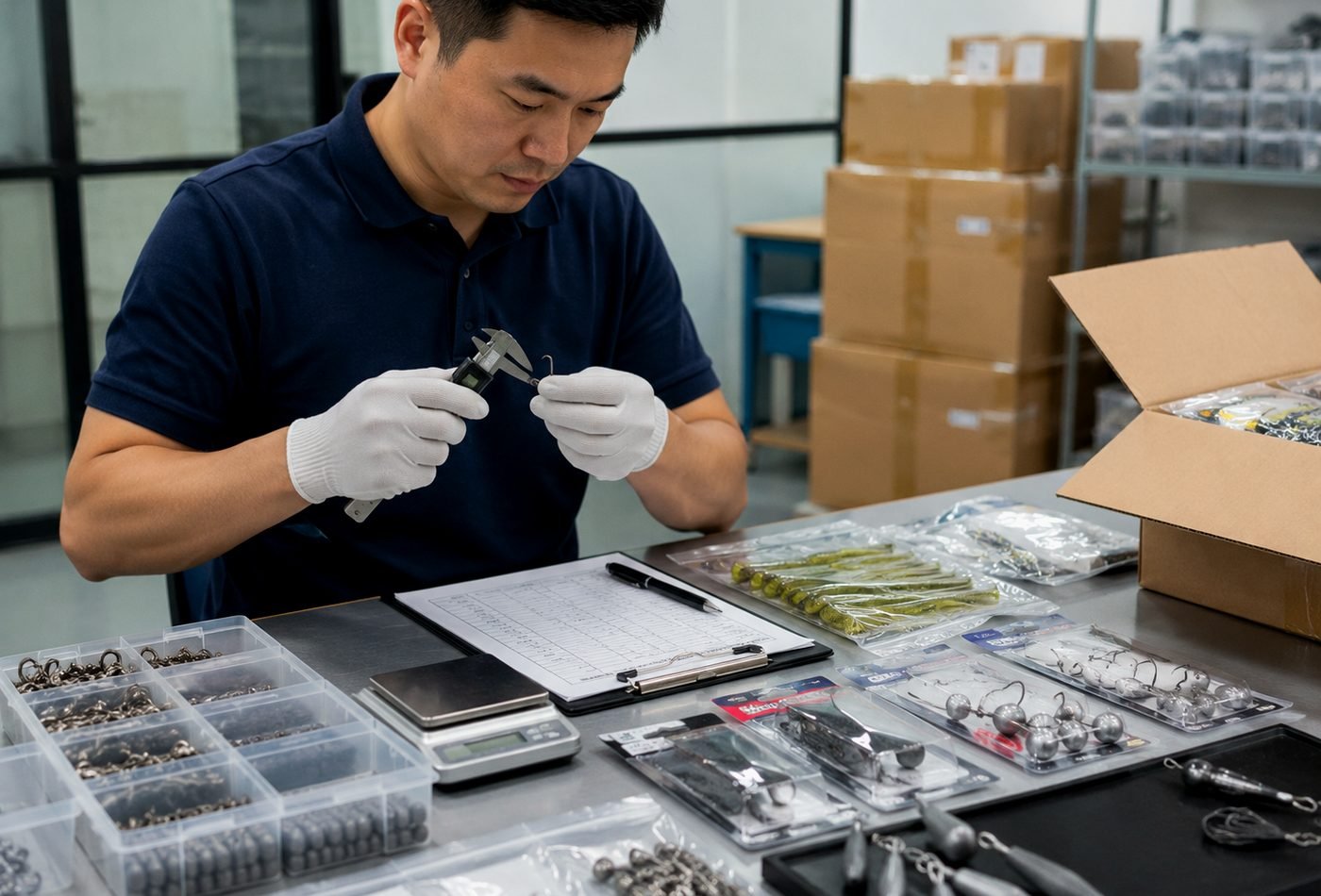
QC before shipment
We focus on practical checks that affect customer complaints: product details, pack count, packaging accuracy and shipment readiness.
Tell us what you want to develop or source
We can suggest whether your project is better suited to a standard item, a modification of an existing product, or a new OEM development route.