A practical OEM process for fishing tackle projects
The exact route depends on the product. A standard swivel order and a new lure project cannot be handled in exactly the same way. Still, most successful OEM projects follow the same logic: review, confirm, produce, inspect and ship.
Step 1: Review the product route
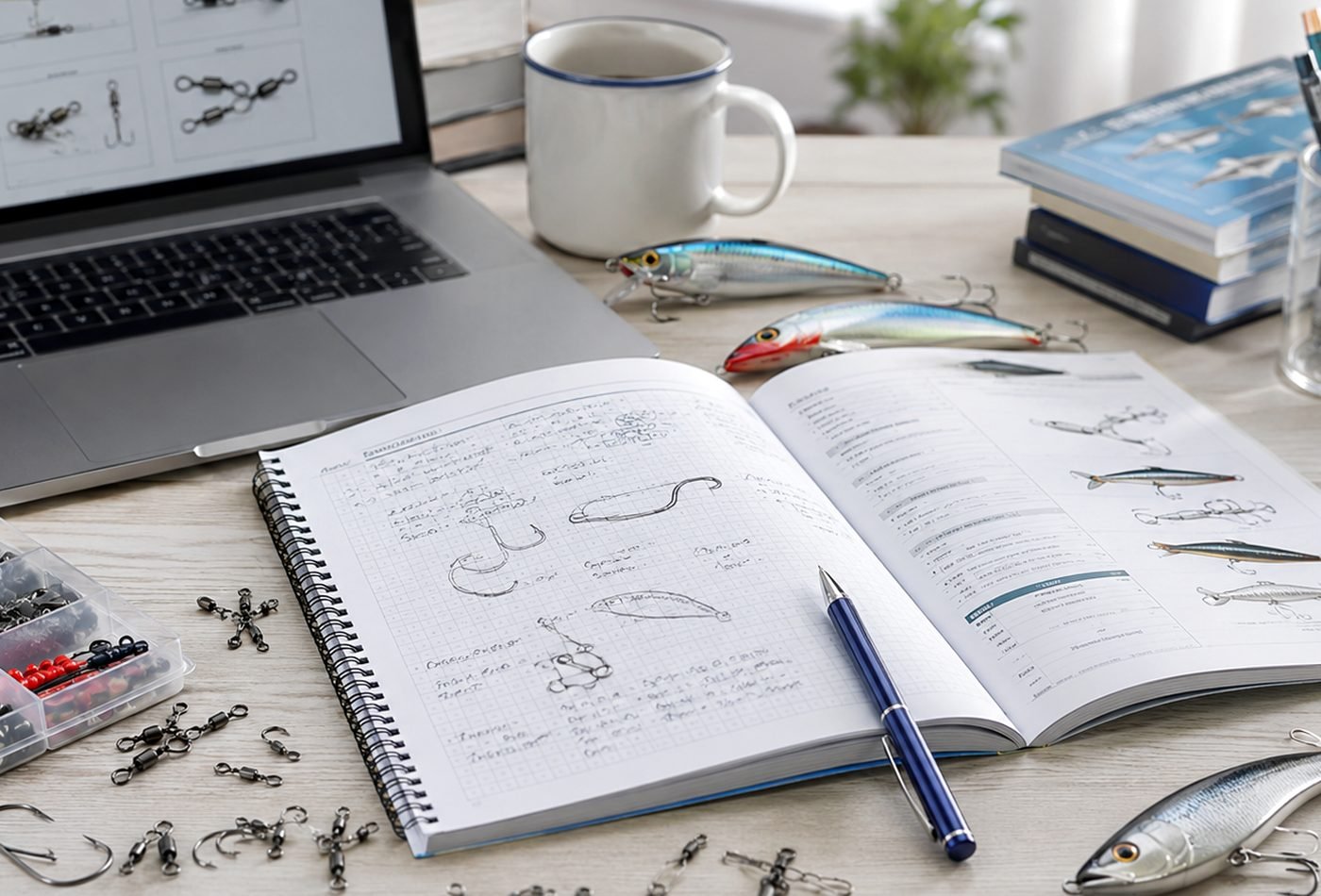
We first review whether the project is a standard item, a modified existing product or a new development. This affects MOQ, cost and how samples should be handled.
Step 2: Confirm product details
Before quotation is finalized, we confirm size, weight, material, hook, finish, color, accessory parts, pack count and target market as clearly as possible.
Step 3: Sample or tooling discussion
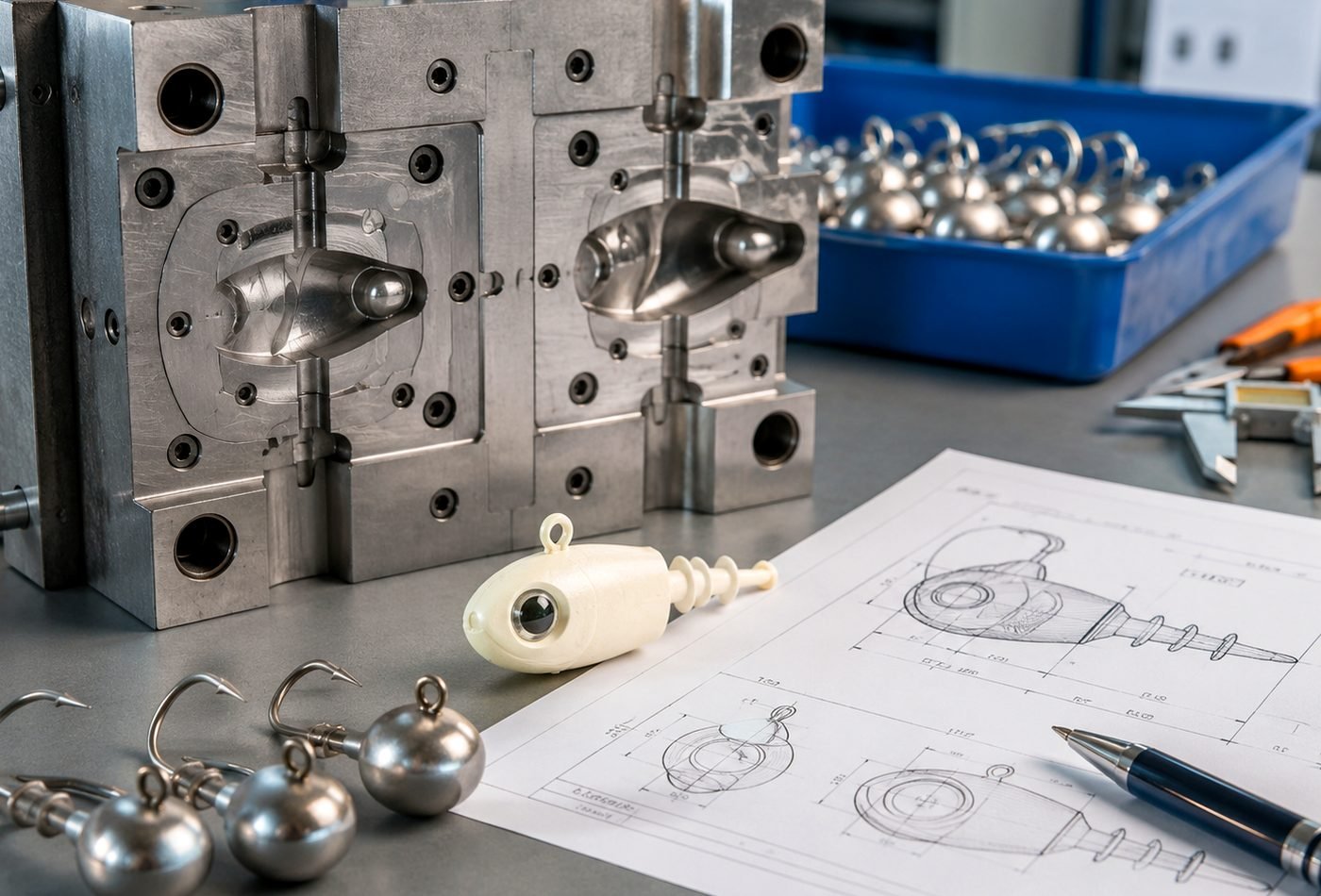
Existing products may only need approval samples. New jig heads, soft baits, sinkers or lure bodies may require prototype or tooling work first.
Step 4: Packaging confirmation
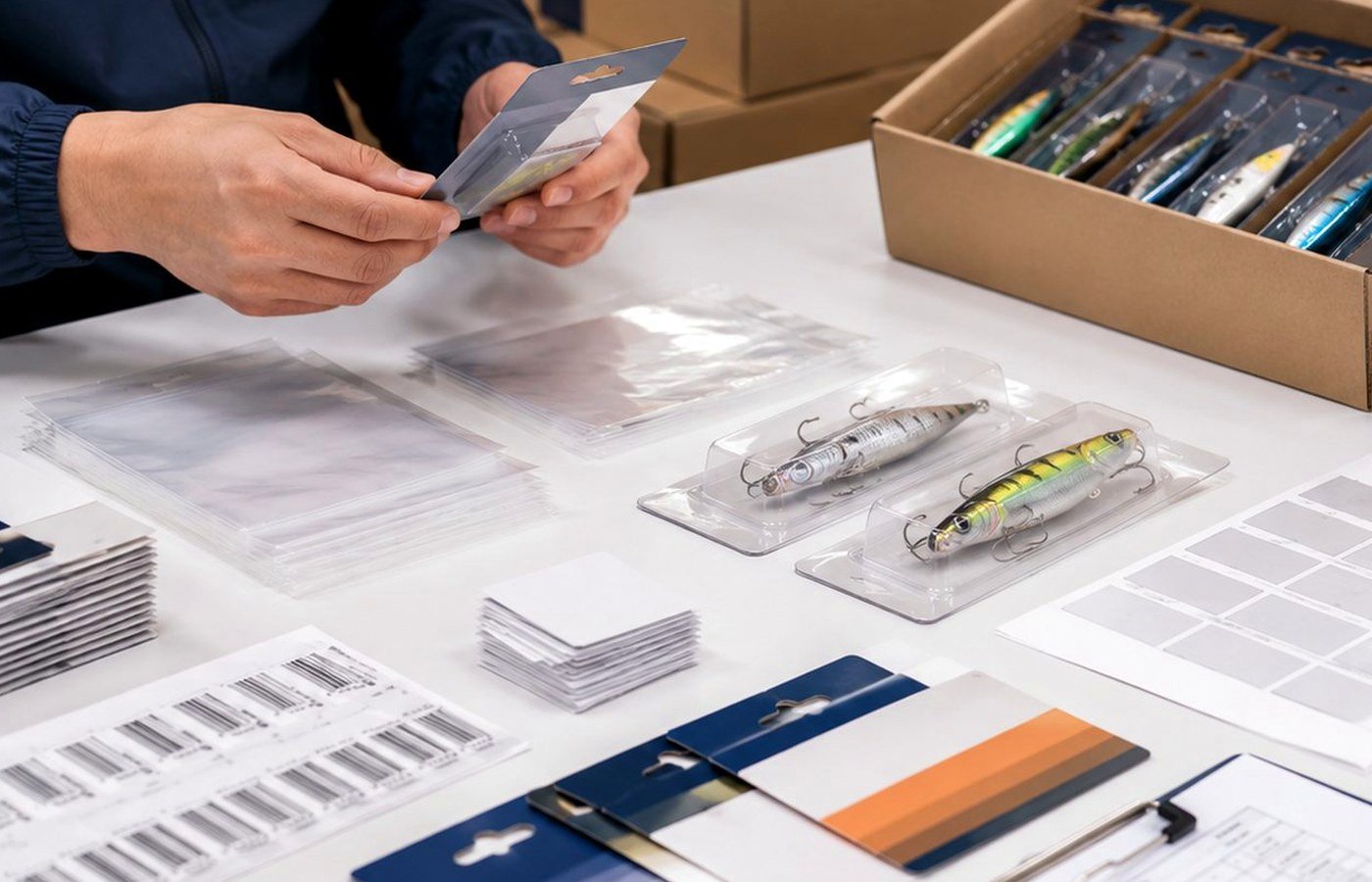
Packaging should be confirmed before bulk production is completed. This includes artwork, barcode, warning text, country of origin, pack count and carton marks.
Step 5: Bulk production follow-up
We follow production based on confirmed sample and project requirements, especially for parts that affect brand consistency or customer complaint risk.
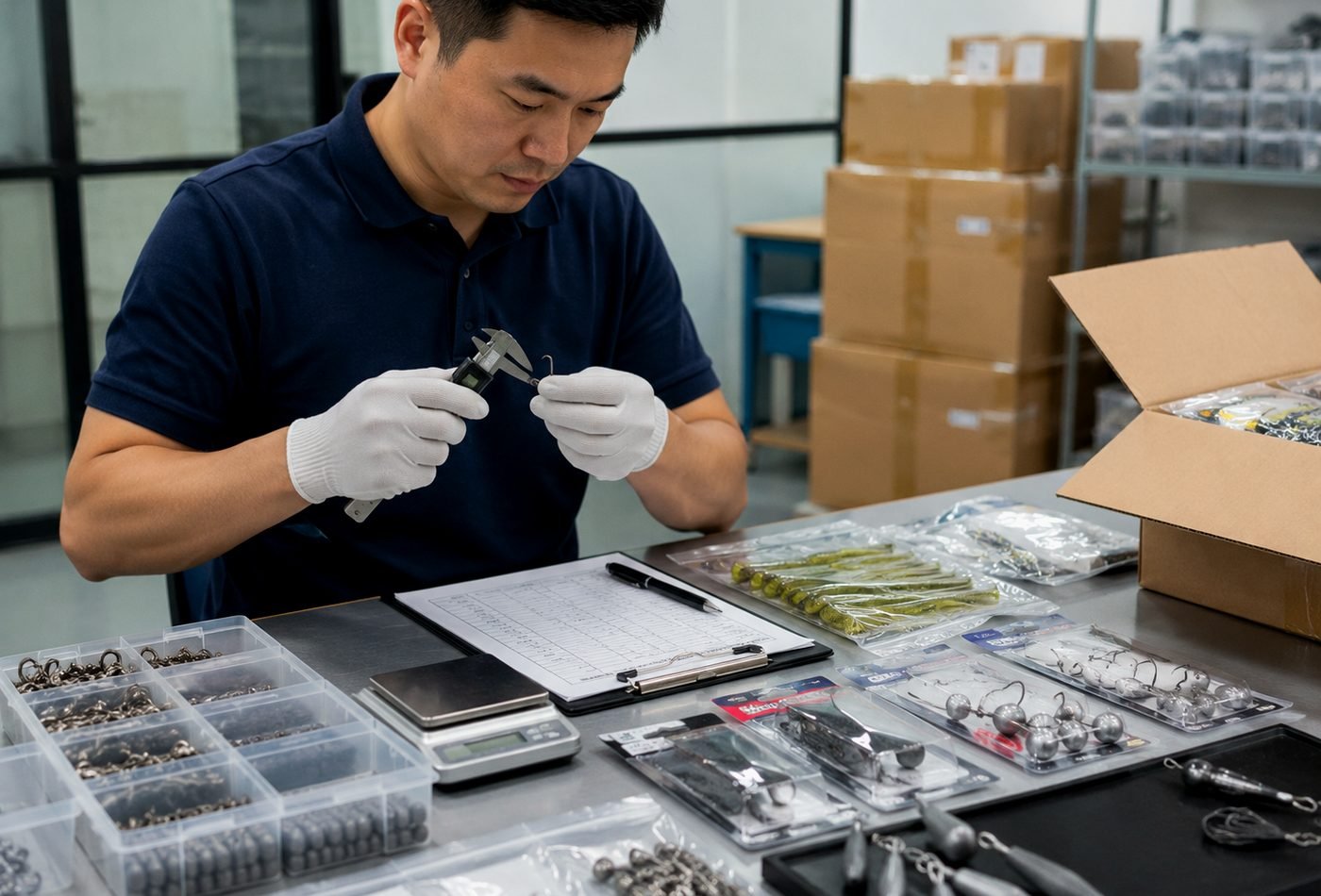
Step 6: Final QC and shipment preparation
Before shipment, product details, quantity, packaging and export packing are reviewed so that the order leaves China with fewer avoidable issues.
Development work
New product work is usually slower than buyers expect. A careful sample stage helps reduce expensive changes during mass production.
Packaging matters
Retail packaging is part of the product. Delayed packaging approval can delay the whole order even if the products are already finished.
Risk control
Most avoidable mistakes happen where product, packaging and shipment details were not fully aligned. Clear process helps reduce these errors.