How to Start an OEM Fishing Lure Project
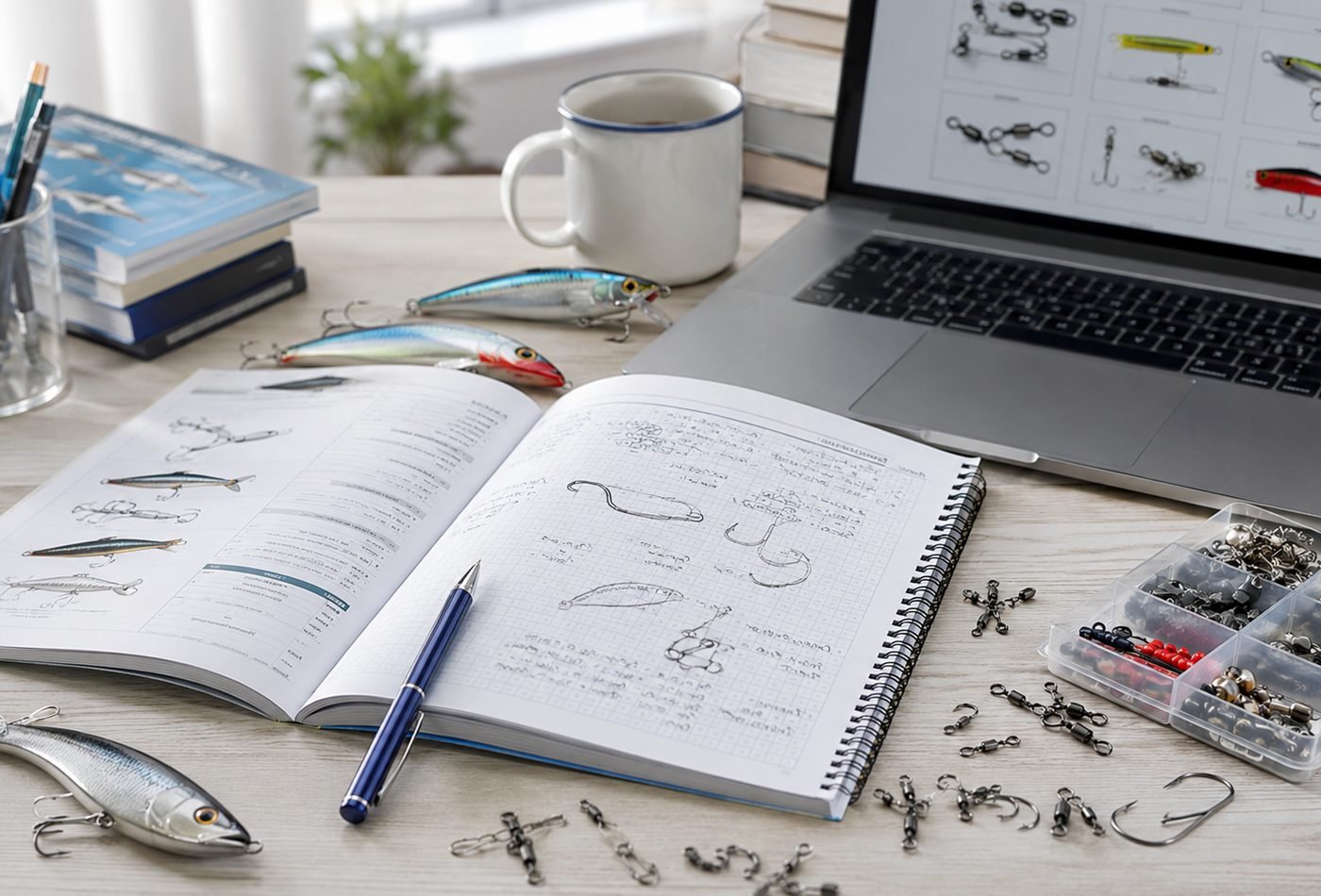
Starting an OEM fishing lure project is not only a matter of choosing a shape and asking for a price. A useful project brief should help the supplier understand the target fish, fishing method, lure action, size, weight, color, hardware and packaging plan.
1. Decide whether you need an existing model or a new design
If an existing lure body is suitable, the project may focus on color, hooks, split rings and packaging. If the lure shape is new, mold cost, prototype review and sample testing should be expected. New designs usually need more time because balance and action may need adjustment.
2. Prepare useful reference information
- Target lure type: hard bait, metal jig, trolling lure, spinnerbait or soft bait.
- Size, weight, swimming depth or action expectation.
- Reference sample or photos from different angles.
- Hook model, split ring, eye and finish requirement.
- Packaging style and target pack count.
3. Understand cost factors
Cost may come from mold, sample work, painting process, UV or glow effect, premium hooks, packaging printing and freight. A cheap unit price is not useful if the product cannot meet the buyer’s market requirement.
4. Confirm samples before production
Sample approval should include appearance, weight, hardware, action and packaging. If the card artwork or blister size is approved too late, production may be delayed even when the lure itself is ready.