Fishing Hook OEM Buying Guide: Pattern, Size, Finish and Packaging
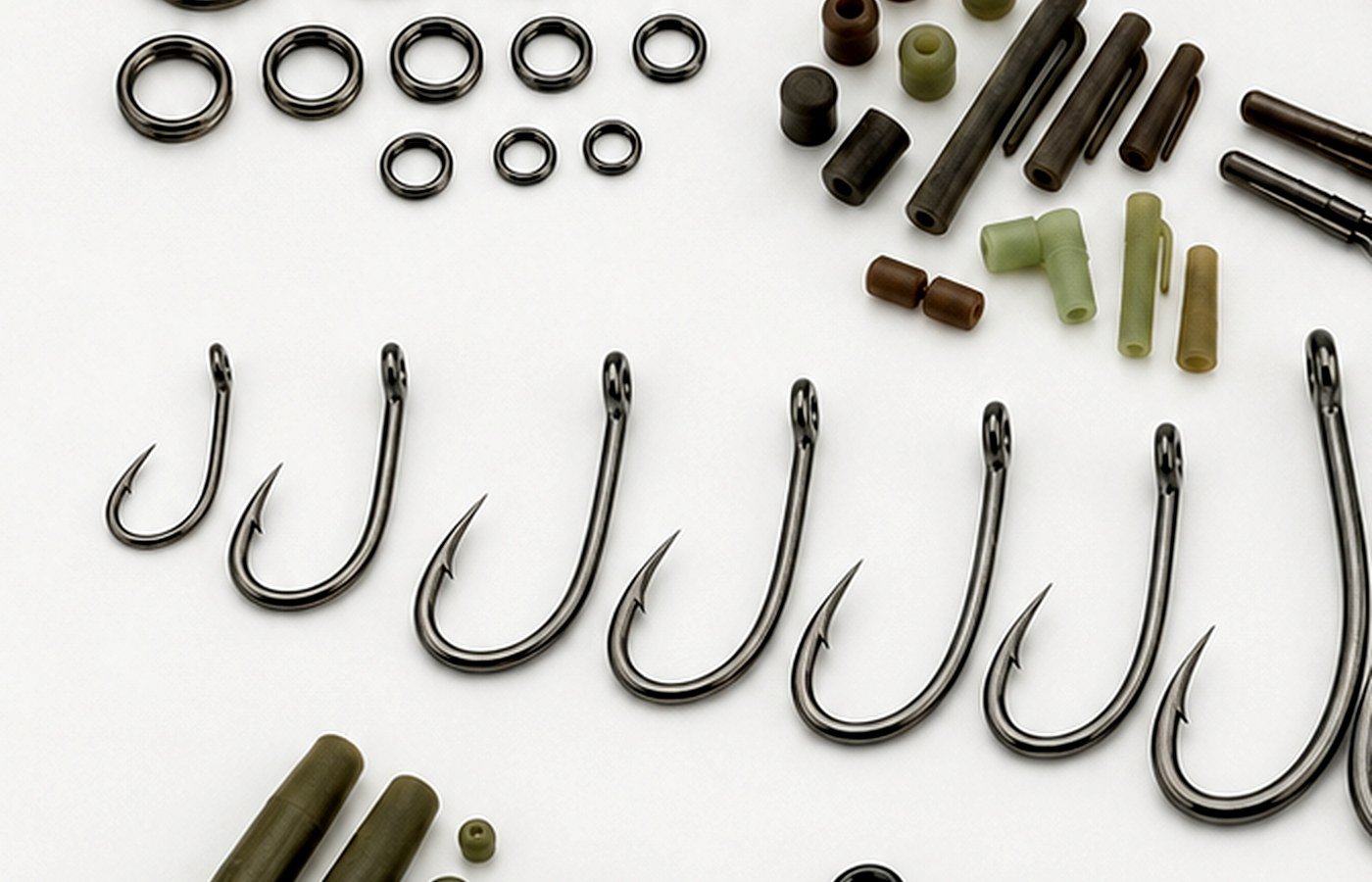
Fishing hook sourcing should start with pattern and application, not only with the size number. Two hooks marked with similar sizes can have very different gap, wire diameter, shank length, eye angle, bend and point. For OEM or private label buyers, these small differences affect not only fishing performance but also packaging, customer expectation and repeat order consistency.
Start with the fishing application
A bait holder hook, carp hook, jig hook, worm hook, treble hook and commercial longline hook are not interchangeable. Buyers should first define the target application: freshwater bait fishing, carp rig presentation, soft bait rigging, lure replacement, saltwater fishing or commercial use. The application influences wire strength, point design, finish and packaging.
Confirm the pattern before comparing price
Price comparison without pattern confirmation is risky. A supplier may quote a hook with lighter wire, different bend or different finish. If the hook will be used in a rig, jig head or branded retail pack, send a physical sample or detailed drawing. Photos are helpful, but a real sample confirms eye shape, gap, barb, shank and point better.
Important specification details
- Hook pattern and size range.
- Wire diameter or strength expectation.
- Point style, barb and eye type.
- Finish such as black nickel, nickel, bronze, tin or stainless.
- Bulk packing or retail private label packaging.
Packaging considerations
Hooks can be packed in bulk bags, small poly bags, header cards, blister cards or private label retail packs. Retail packs need barcode, warning text, size, quantity, country-of-origin statement and carton mark. Packaging should be confirmed before production is complete, because wrong pack count or label text can delay shipment.
Quality control points
Hook QC should include point sharpness, burrs, eye opening, finish, rust marks, shape consistency and pack quantity. For retail packs, barcode and label accuracy should be checked. For strong hooks or saltwater hooks, buyers may also discuss material and corrosion resistance expectations.
Common mistake
The most common mistake is asking for “hook size 1/0” without confirming pattern. Size is not enough. Pattern, wire, point and finish are necessary for a meaningful quote.