Lead Sinker OEM Supplier
Lead sinkers and fishing weights look simple, but weight tolerance, coating, mold, carton strength and freight planning can significantly affect the order.
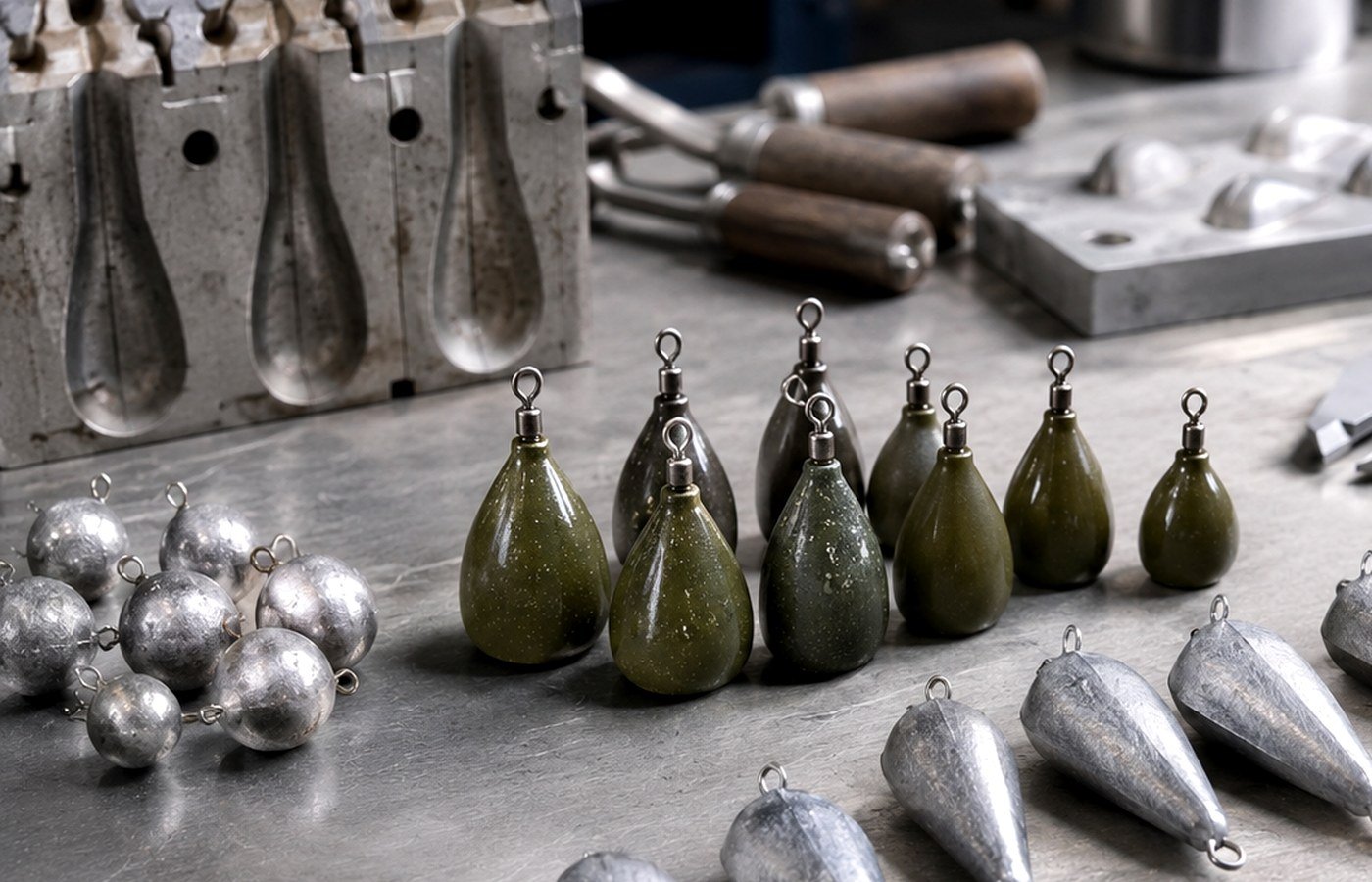
Typical production flow
The exact process depends on the confirmed sample and product structure, but this flow helps buyers understand what normally happens before goods are ready for export.
Confirm weight range, shape, hole or eyelet structure and coating requirement.
Cast or form weight products using approved mold or existing tooling.
Trim burrs, apply coating or finish if required and check coverage.
Plan inner bags, carton weight, pallet or wooden case if needed for heavy cargo.
Check weight tolerance, count, labels, carton marks and export packing strength.
What the buyer should prepare
Prepare weight range, shape, mold reference, coating requirement, pack style, carton weight preference and any market-specific labeling or compliance requirement.
- Reference sample, product photo, drawing or catalog code.
- Target size, weight, material, finish and key function requirement.
- Expected quantity, reorder plan and target market.
- Packaging idea: bulk, bag, header card, blister, box or private label.
- Any compliance, warning text, barcode or country-of-origin requirement.
Buyer preparation note
For function-sensitive items, a physical sample is usually better than only a photo. It helps confirm feel, size, finish and function before price comparison.
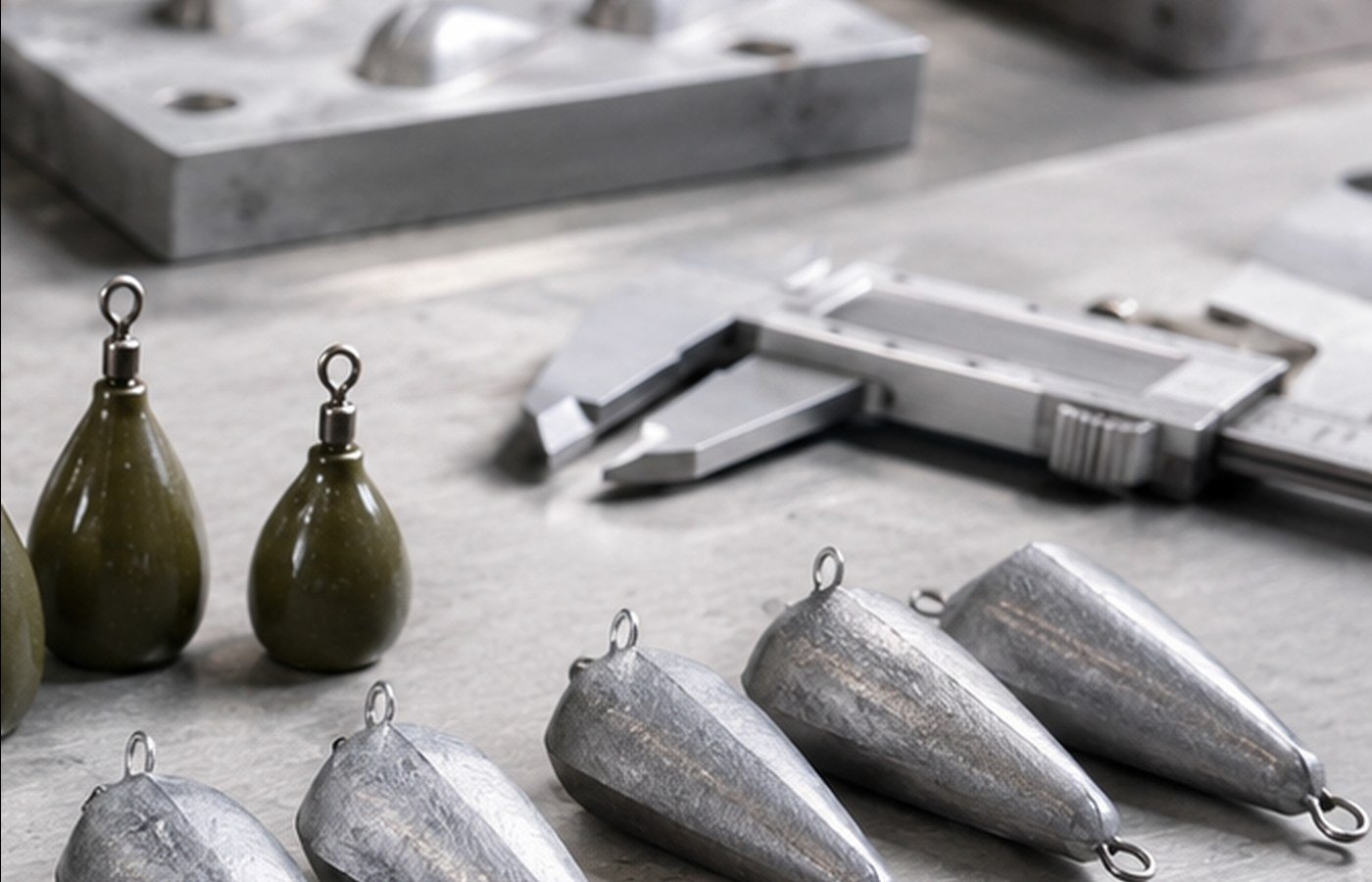
What may need time or extra cost before bulk production
Sinker cost is affected by lead weight, mold, coating method, inner pack, carton strength, pallet/wooden case requirement and heavy-cargo freight.
Sample work
Existing samples are usually faster. Modified or new designs may need sample making, adjustment and re-confirmation.
Tooling / mold
New shapes, new cavities or exclusive structures may require tooling cost and a mold sample before production.
Packaging setup
Printed bags, blister cards, insert cards, labels and boxes may have artwork, printing plate or MOQ requirements.
Testing / compliance
Some markets or buyers may require strength, coating, material or labeling review before shipment.
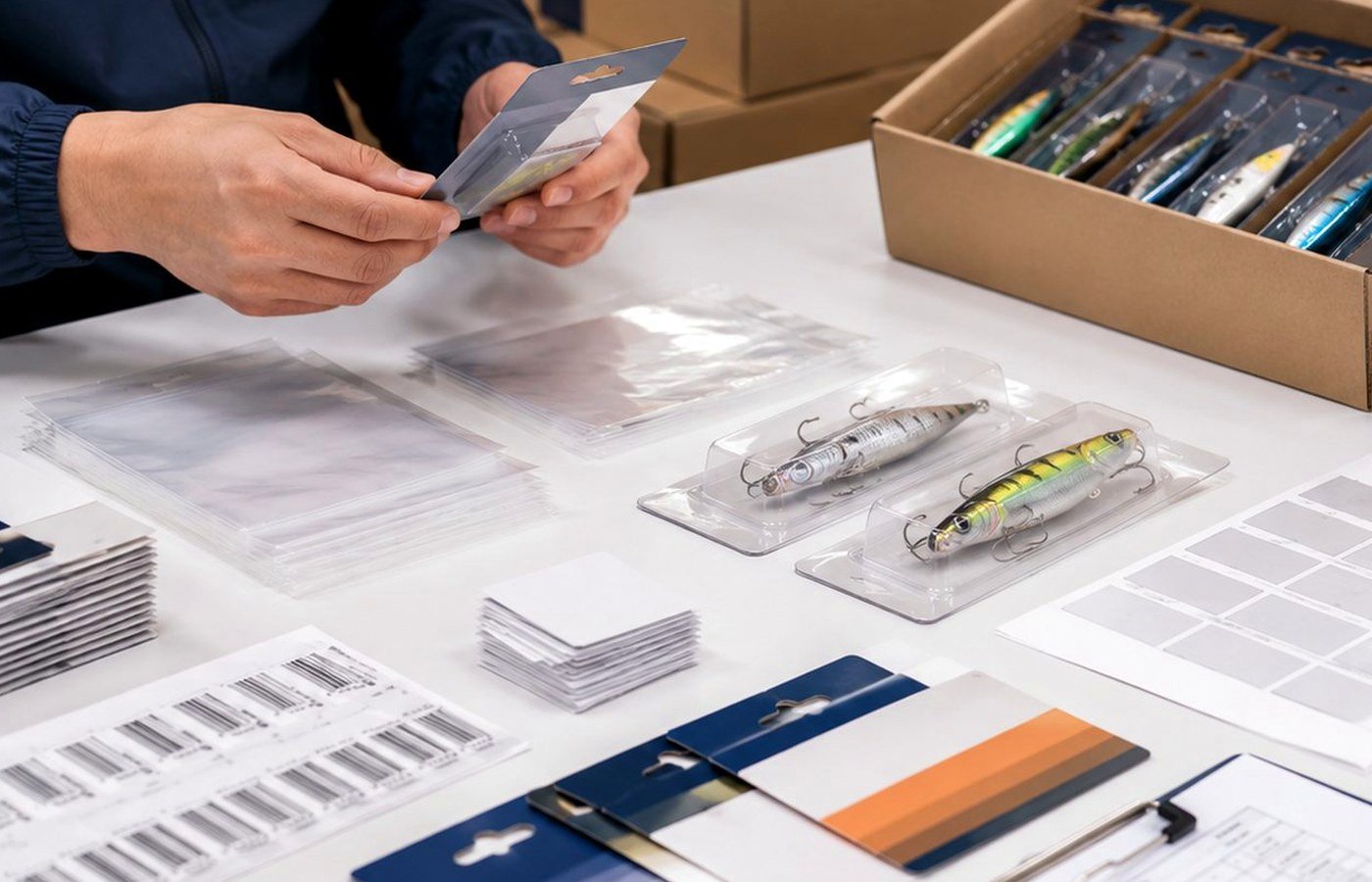
Common packaging styles
Bulk bags, small bags, printed bags, blister cards and heavy-duty cartons are common. Heavy products may need reinforced cartons, pallets or wooden cases.
Packaging cost note
Product MOQ and packaging MOQ are not always the same. Printed packaging should be discussed early, especially for small first orders or many SKU colors/sizes.
Typical timing before mass production
Standard sinkers can move faster. New shapes, coated weights or retail-packed sinkers need more confirmation before production.
| Stage | Typical purpose | Time note |
|---|---|---|
| Project review | Confirm product type, route and missing details. | Usually a few working days after complete information is received. |
| Quotation & sample plan | Review cost factors, MOQ, sample route and packaging. | Faster for standard products; longer for new development. |
| Sample / mold sample | Confirm structure, function, color, finish and packaging direction. | Existing product samples are faster; tooling projects need more time. |
| Packaging approval | Confirm artwork, barcode, warning text, pack count and carton marks. | Should run in parallel with product preparation where possible. |
QC focus for this category
Check weight tolerance, coating coverage, burrs, holes/eyelets, count, carton strength and label accuracy.
Common mistake to avoid
Do not approve price only from a product name. Confirm sample, specification and packaging before mass production; otherwise small details can create retail complaints or shipment delays.
Send sample photos, target specs and packaging ideas
We will help judge whether the project is a standard item, a modified product or a new development route, then explain the practical next step.